




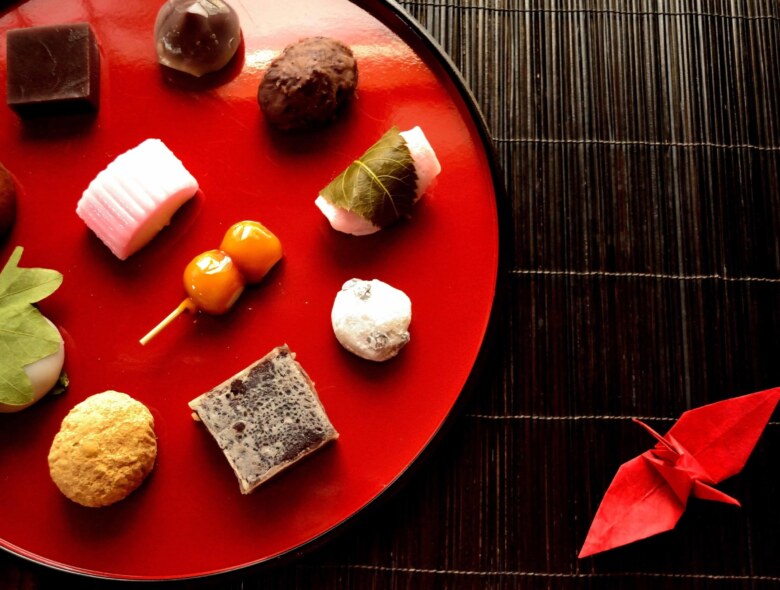

There are so many things we can enjoy in the winter months; New Year, Christmas, other winter festivals, snow sports, winter trips, delicious winter food, and also just spending some relaxing time at home! To celebrate this time, there is a variety of delicious traditional Japanese winter sweets, which we are going to discuss. If you do not have anything to look forward to in winter, then we recommend you try out some of these treats!
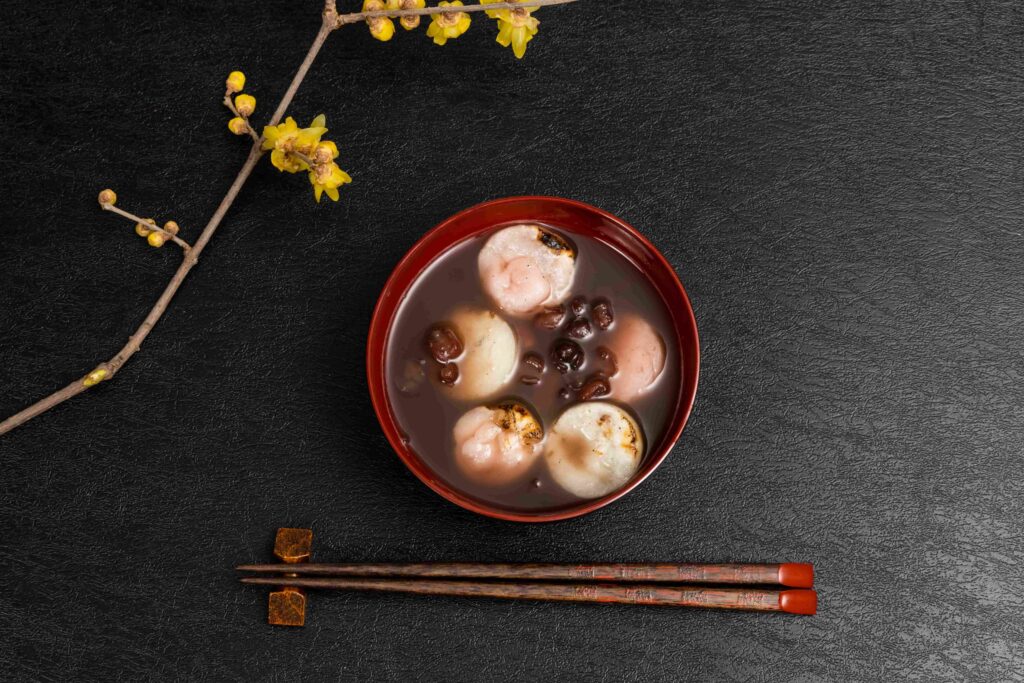
Oshiruko
Oshiruko is a unique winter sweet that consists of a sweet soup traditionally served hot in winter, although it can also be served cold. It is also known as Zenzai in western Japan.
The soup part of Oshiruko is made from red azuki beans that are boiled in a stock of water and sugar to make a thick soup or paste. The dish is completed with some rice cakes in the soup. The mochi is usually toasted before they are put into the soup. Additional toppings are also popular, with many people enjoying the dish with nuts. In Western Japan, the azuki beans are left whole, which is what we associate with the Zenzai version of this winter sweet. However, in Eastern Japan, the red beans are mashed up, and this is what makes the dish Oshiruko.
Oshiruko is usually enjoyed between meals. You can find it in most places in the winter months, even in vending machines. The most delicious oshiruko is freshly made, so make sure to try it out at a restaurant this winter!
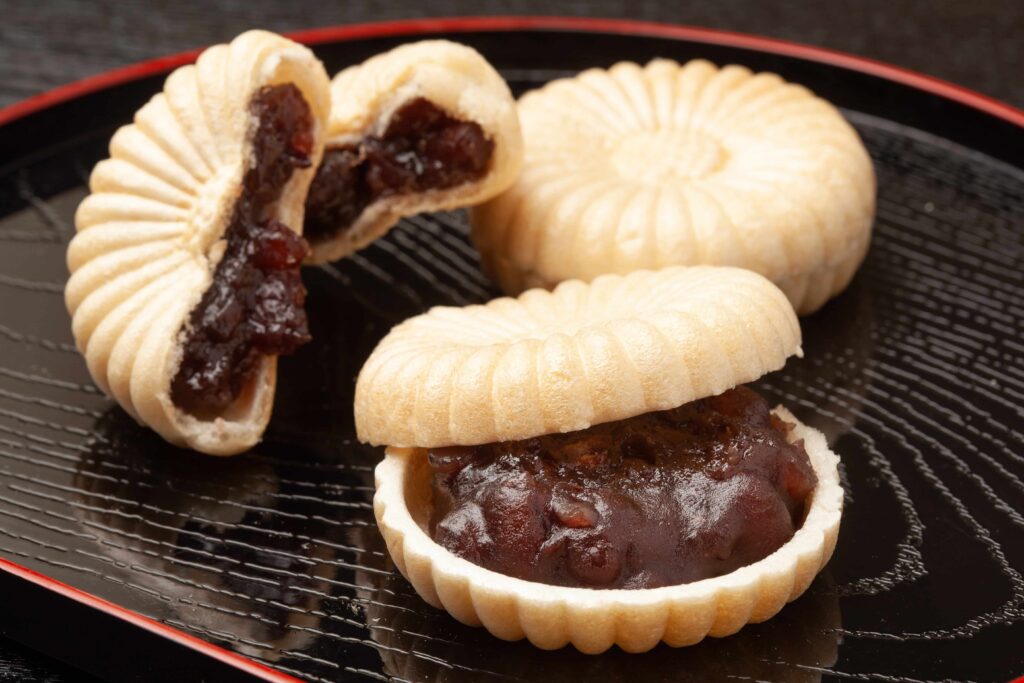
Monaka
Monaka is a type of wagashi that is particularly popular in winter although many people enjoy eating these throughout the year! Monaka treats are a cookie-like sandwich made up of a filling of azuki red bean paste between two rice cake wafers made from mochi.
Traditionally the monaka is a square-ish shape with rounded edges. However, they come in a variety of shapes and sizes, from circles to flowers, or even characters and seasonal themes.
The monaka wagashi has even inspired ice creams. At most convenience stores and supermarkets, you can find monaka ice cream sandwiches. Although there’s no red bean paste, they’re still very delicious, so we recommend you try them both out!

Dango
One of the most iconic wagashi is dango, and they go very well with green tea. These rice flour dumplings are served on a skewer, usually in groups of three to five dumplings.
Dango is a delight to eat because not only are they soft and chewy and delicious, but they are also very portable thanks to the skewer, so they make a popular snack for festivals and other celebrations involving food stalls.
They come in a variety of flavors and varieties. Mitarashi dango is believed to have been the original version, coming from a tea house in Kyoto, they are covered in a sweet and sticky soy sauce. Some of the most popular dango varieties include Goma dango, which is coated in sesame seeds, Shoyu dango, which is coated in soy sauce and grilled, Anko dango, covered in red bean paste, Denpun dango, which is a Hokkaido specialty made from potato flour and boiled sweet beans.
Dango is also an offering for deities on festive occasions. As well as this they can be famously found when hiking Mount Takao, located in western Tokyo.
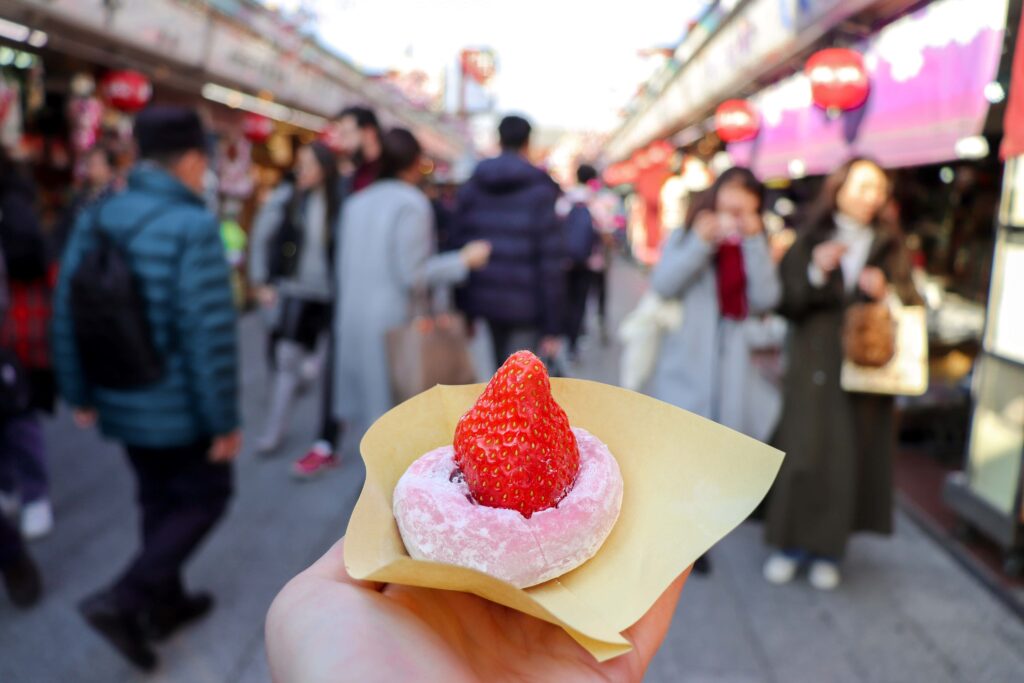
Daifuku Mochi
Another one of the most beloved wagashi treats is daifuku mochi. Like dango and other mochi, they are also made from rice flour, and they pair well with green tea. They’re very similar to classic mochi, stuffed with a filling, and sometimes flavored. You can find matcha green tea daifuku, as well as kinako (soy bean flour) daifuku, yomogi (Japanese mugwort) daifuku, and more.
Daifuku mochi, usually just shortened to daifuku, is most commonly filled with white bean paste, or sometimes with red bean paste instead. There are so many interpretations of daifuku, sometimes the bean paste is swapped out for ice cream, creme caramel, coffee flavors, and more. Fruit daifuku are also a popular snack. Ichigo daifuku, a daifuku with is cut open with a strawberry placed inside, is one of the most popular winter treats on this list for very good reason. The combination of fresh and sweet fruit flavors mixes perfectly with the sweet stickiness of the daifuku mochi.

Karinto
Karinto is a popular winter sweet in Japan made from wheat flour, sugar, and yeast, which is then coated in brown Sugar syrup before being dried. They are cookie-like, with a sweet crunchy texture.
There is an element of savoriness with karinto due to the flour contrasting with the syrup. Karinto nowadays comes in various flavors like peanuts, sesame seeds, green tea, buckwheat flour, and vegetables.
Crispy karinto, nutty dango, soft monaka, colorful or fruity daifuku mochi, and warming oshiruko, there is something for everyone!
If you hadn’t noticed, most of the wagashi we have suggested featured some form of bean paste and rice flour. These are two popular ingredients that are precious symbols in the Shinto religion. Most of these winter treats have been around for generations, which makes them even more special. These wagashi will definitely help sweeten up the cold season, so give them a try while getting cozy in your apartment! Happy winter!